Cervical Cancer Could Be the First Cancer Eliminated. So Who Gets the Vaccine?
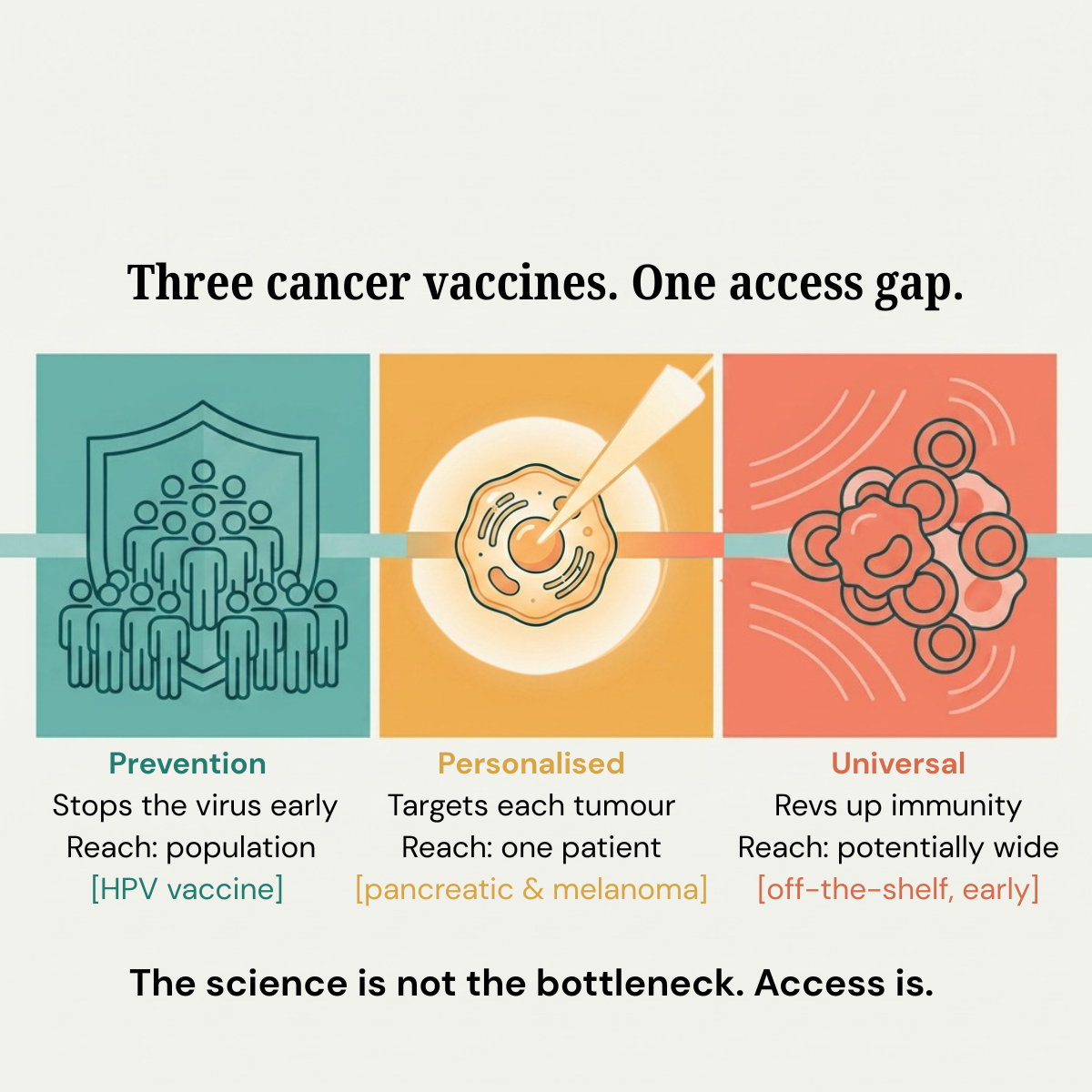
Cervical cancer could become the first cancer ever eliminated. It is caused almost entirely by one virus, and an HPV vaccine can prevent it. Yet in 2022 only about one in five girls worldwide had received that vaccine, and the disease still kills around 350,000 women a year, 94% of them in lower- and middle-income countries. As personalised and universal cancer vaccines move from the lab towards the clinic, the same question runs through all of them: not whether the science works, but who it reaches.
The piece dives into:
Why cervical cancer is poised to become the first cancer ever eliminated
How a single virus causes it, and how the vaccine stops it before it starts
Why a preventable cancer still kills hundreds of thousands of women a year
How personalised mRNA vaccines are treating cancers like pancreatic and melanoma, and why they are hard to scale
Whether universal, off-the-shelf cancer vaccines could close the access gap or widen it
The $100 Billion Question: Why AMR Gets Less Attention Than It Deserves
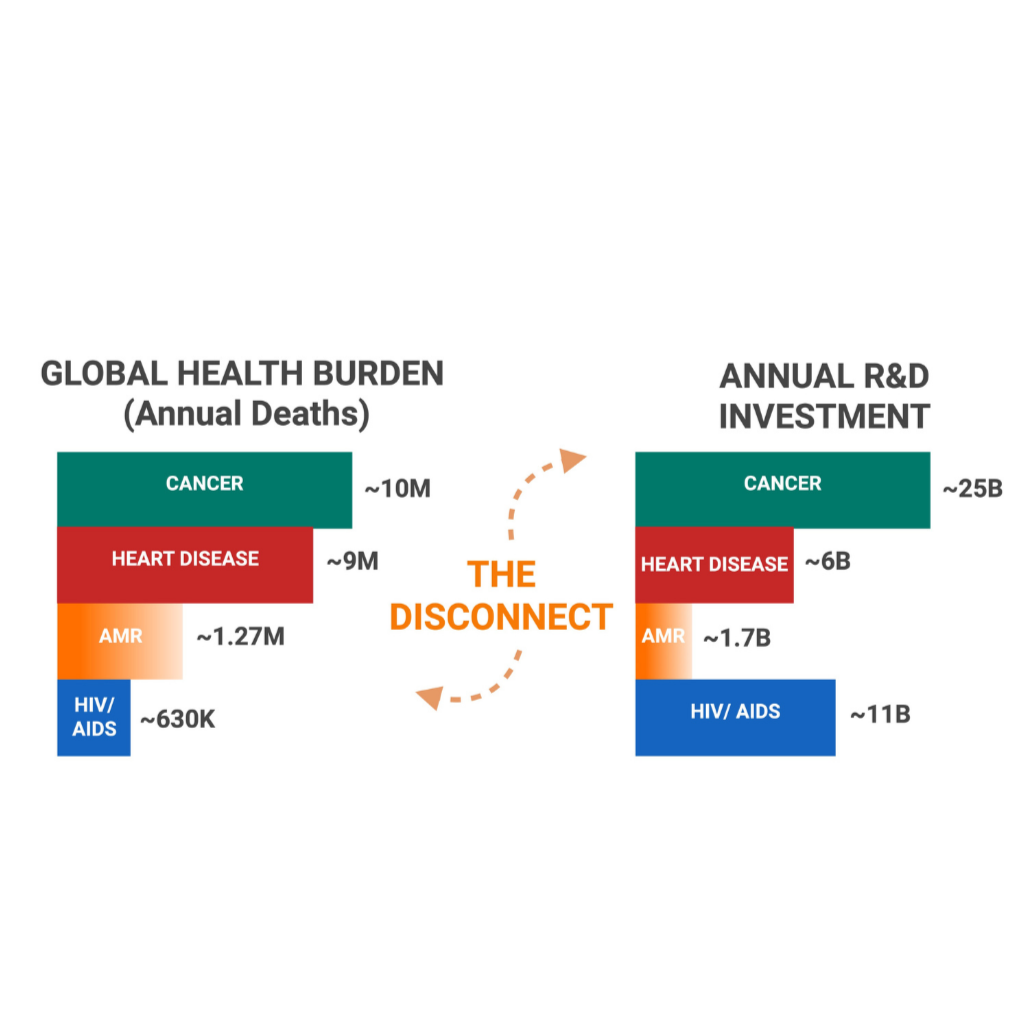
One of the deadliest global health threats remains largely invisible: antimicrobial resistance (AMR). An estimated 1.27 million people died from AMR in 2019, yet most death certificates listed infections like pneumonia or sepsis instead, obscuring the role resistance played in making those infections untreatable. Despite projections of 10 million deaths annually by 2050, AMR continues to face major funding, policy, and awareness gaps.
The piece dives into:
The “attribution problem” and why AMR deaths remain hidden
Why AMR struggles to sustain political and public attention
The market failures undermining antibiotic development
How initiatives like CARB-X and GARDP are reshaping antibiotic R&D
Why stronger communication strategies are essential to driving global action
A Landmark in Global Health: First Malaria Drug Approved for Newborns
A major milestone in global health: the world’s first approved malaria treatment specifically formulated for newborns: Coartem® Baby.
A new pediatric formulation, developed by Novartis with support from Medicines for Malaria Venture (MMV), addresses a long-standing treatment gap for infants under 5kg who contract malaria.
It’s a testament to the power of public–private partnerships and a model for how we can rethink pharmaceutical R&D for Neglected Tropical Diseases (NTDs).
The piece dives into:
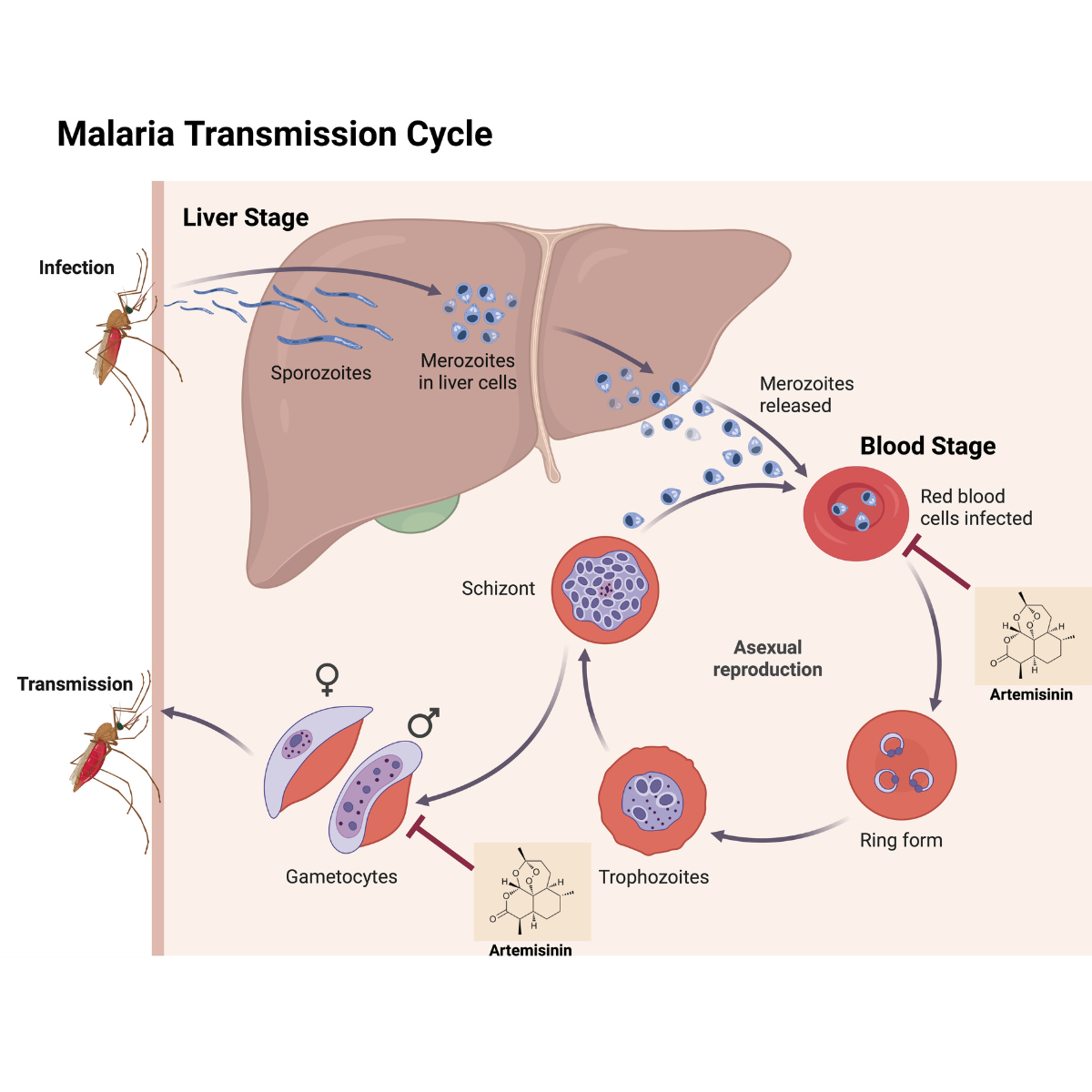
The science behind artemisinin
The global burden of malaria in infants
Why NTDs are underfunded
The critical role of nonprofits like MMV in driving innovation
mRNA: When Science Becomes a Battleground for Misinformation
When science becomes a battleground, the casualties are truth, progress, and lives.
mRNA is not just a vaccine technology, but a symbol of what happens when misinformation collides with decades of research.
This article explores:
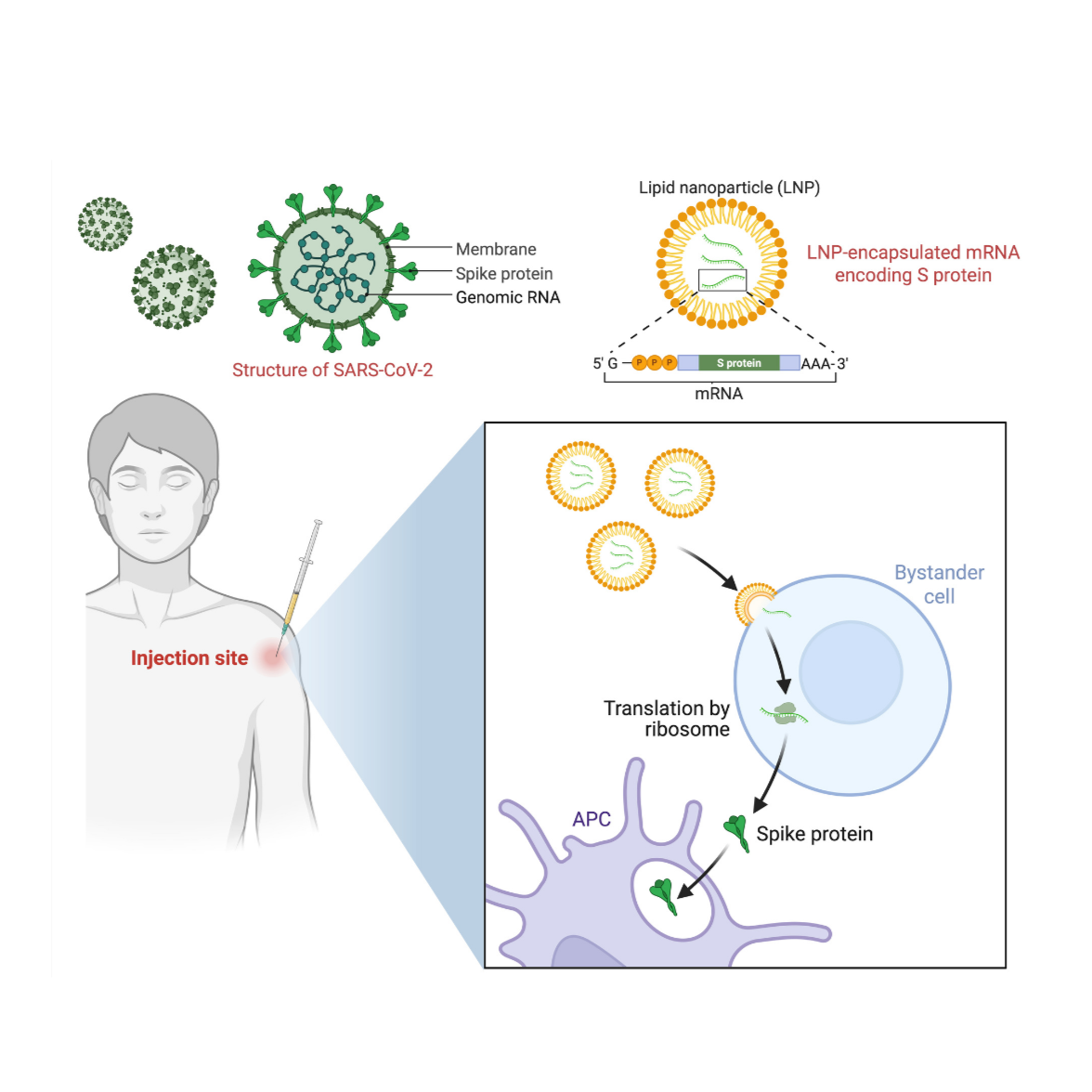
mRNA technology is the result of decades of scientific research and has applications far beyond COVID-19 vaccines, including cancer therapy, rare diseases, and gene editing.
Public controversy surrounding mRNA vaccines during the COVID-19 pandemic was driven by misconceptions about the technology, safety concerns, and the rapid spread of misinformation on social media.
Cuts to public funding for mRNA research risk slowing innovation, weakening pandemic preparedness, and undermining scientific leadership.
Public research funding is essential for sustaining scientific progress, supporting innovation, and preparing for future global health threats.
The growing conflict between science and misinformation has significant implications for public trust, policy decisions, and future medical breakthroughs.